
The Moz affiliate program has emerged as a key component in the digital marketing arsenal, particularly for those navigating the SEO domain.
Offering a blend of growth and profitability opportunities, this program stands out not just for its financial incentives but also for the quality and effectiveness of Moz’s SEO tools.
In 2026, our firsthand experience with the program provides a unique lens through which we explore its evolving benefits, challenges, and overall potential for affiliates.
This deep dive goes beyond surface-level analysis, aiming to uncover the real value the program offers to digital marketers.
Whether you’re a budding affiliate or an experienced marketer, this article intends to offer actionable strategies and an honest perspective on maximizing the potential of the Moz affiliate program in the current digital marketing landscape.
What is the Moz Affiliate Program?
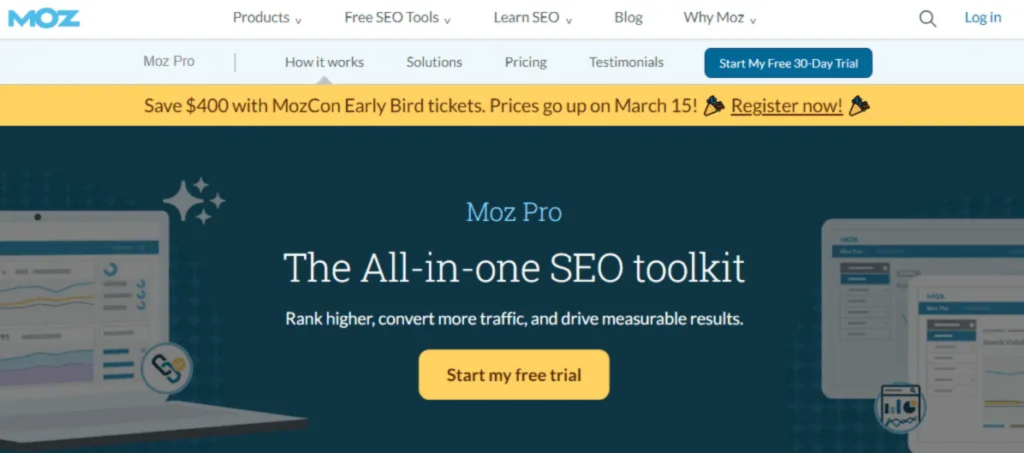
The Moz affiliate program stands as a cornerstone in the landscape of affiliate marketing, especially within the SEO tools category.
This initiative by Moz is designed to foster partnerships and collaborations, enabling individuals and businesses to earn commissions by promoting Moz’s suite of SEO tools and resources.
It targets a broad audience, from bloggers and content creators to digital marketers, providing them an avenue to support their growth while contributing to Moz’s expansive reach.
In essence, the Moz affiliate program is about creating a win-win scenario. Affiliates get to leverage their platforms and networks to recommend high-quality, reputable SEO tools, while Moz benefits from increased visibility and sales, driven by these recommendations.
The program is structured to be as inclusive and rewarding as possible, offering competitive commission rates, extensive support, and resources to its affiliates.
Benefits of Joining the Moz Affiliate Program
Participating in the Moz affiliate program offers a multitude of advantages. From lucrative commission rates to a long cookie duration, Moz lays out a red carpet for its affiliates, ensuring they have everything needed to succeed.
Here are some highlighted benefits:
Competitive Commission Rates: Moz offers attractive commissions on sales generated through affiliate links, encouraging affiliates to maximize their promotional efforts.
Extended Cookie Duration: With a cookie duration that surpasses many competitors, Moz ensures that affiliates have a fair chance of earning commissions on sales that might not happen immediately.
Comprehensive Support: From detailed guides to promotional materials, Moz provides extensive support to its affiliates, ensuring they have the knowledge and tools needed to effectively market Moz products.
Reputable Brand Association: Aligning with Moz, a leader in the SEO industry, enhances your credibility and can increase the trust your audience places in your recommendations.
Diverse Product Range: Moz’s wide range of SEO tools means affiliates can promote products that truly meet their audience’s needs, from keyword research to site audits.
These benefits not only make the Moz affiliate program an attractive proposition but also position it as a partnership that can yield significant returns for those willing to invest their efforts into promoting Moz products.
How to Become a Moz Affiliate: A Step-by-Step Guide
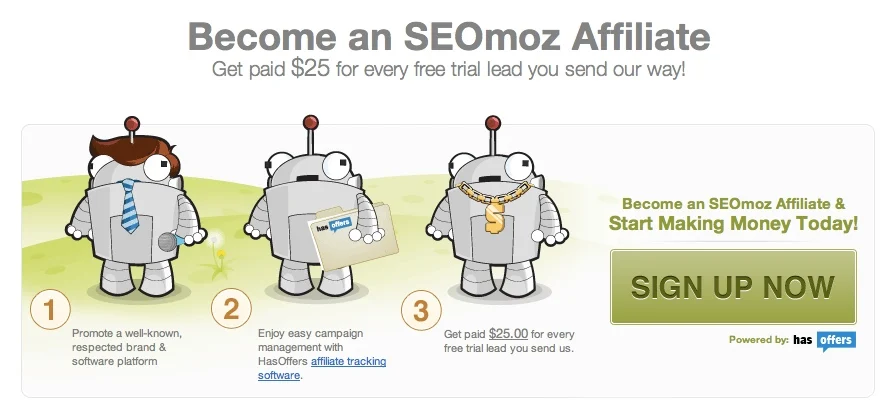
Becoming a Moz affiliate is a straightforward process, designed to be accessible to anyone with a genuine interest in promoting Moz’s SEO tools.
Here’s how you can get started:
- Visit the Official Moz Affiliate Page: Go to Moz’s website and navigate to their affiliate program section. This page contains all the information you need to begin your application process.
- Apply Through the Affiliate Network: Moz partners with a third-party affiliate network to manage its affiliate program. You need to create an account on this network and apply to the Moz Affiliate Program from there.
- Wait for Approval: Once your application is submitted, it undergoes a review process. Moz looks for affiliates with a relevant audience and a platform aligning with their brand values.
- Start Promoting: Upon approval, you’ll gain access to a range of promotional materials and your unique affiliate link. Use these resources to start promoting Moz products on your platform.
- Optimize Your Strategy: Successful affiliate marketing requires ongoing effort. Continuously optimize your promotional strategies based on performance metrics and feedback from your audience.
By following these steps, you can embark on a lucrative journey as a Moz affiliate, leveraging your platform to earn commissions while helping your audience navigate the complexities of SEO with Moz’s tools.
Maximizing Your Earnings: Tips and Strategies
To truly benefit from the Moz affiliate program, it’s not enough to just join and start sharing links; a strategic approach can significantly boost your earnings.
Here are some tried and tested tips:
- Understand Your Audience: Tailor your content to match the needs and search intents of your audience. Are you promoting Moz’s keyword research tool? Highlight how it can solve their specific SEO challenges.
- Create High-Quality Content: Reviews, tutorials, and case studies not only attract more visitors but also build trust, increasing the likelihood of conversions.
- Leverage SEO: Use SEO best practices to ensure your promotional content ranks well in search engine results, bringing in organic traffic.
- Utilize Social Media: Share your content and affiliate links on social media platforms where your audience is active to increase reach and engagement.
- Track and Optimize: Regularly review your affiliate performance metrics. Identify what works and refine your strategies accordingly to maximize earnings.
Comparing Moz’s Affiliate Program to Others in the Industry
When considering the Moz affiliate program, it’s helpful to compare it with other affiliate programs in the SEO and digital marketing sphere.
Here’s how Moz stands out:
- Commission Rates and Cookie Duration: While commission rates can vary across programs, Moz offers competitive rates coupled with an extended cookie duration, enhancing earning potential over time.
- Support and Resources: Moz excels in providing affiliates with comprehensive resources and support, including promotional materials and detailed guides, setting it apart from many competitors.
- Product Quality: Moz’s reputation for high-quality, reliable SEO tools makes it easier to promote compared to lesser-known or lower-quality products.
- Ease of Joining and Promotion: The straightforward application process and the availability of promotional resources make Moz an attractive option for both new and experienced affiliates.
Challenges and Solutions in Moz Affiliate Marketing
Despite the benefits, affiliates may face challenges while promoting Moz products. Common hurdles include:
1. Standing Out in a Competitive Niche: The SEO tools niche is highly competitive. To stand out, focus on creating unique, value-packed content that addresses specific user queries and problems.
2. Engaging Your Audience: It can be challenging to continually engage your audience with SEO tools. Incorporate diverse content formats, like videos and webinars, to keep your audience engaged.
3. Navigating SEO Changes: SEO is always evolving. Stay informed about the latest trends and updates to provide your audience with up-to-date advice and recommendations.
Our Verdict: Is the Moz Affiliate Program Worth It in 2026?
After thoroughly reviewing the Moz affiliate program, we can confidently say it offers a solid opportunity for affiliates in 2026
Its competitive commissions, extended cookie duration, and the backing of a reputable brand like Moz make it an attractive choice for those in the digital marketing niche.
While challenges exist, as with any affiliate program, the potential rewards and support offered by Moz significantly outweigh these challenges.
Leveraging the Moz Affiliate Program for Affiliate Growth
The Moz Affiliate Program is a promising avenue for digital marketers, bloggers, and content creators looking to monetize their traffic through high-quality SEO tools.
The combination of Moz’s industry reputation, together with competitive commissions, extensive support, and a range of promotional resources, presents a compelling case for any affiliate marketer.
For those aiming to maximize their affiliate marketing strategies and earnings in 2026, the Moz Affiliate Program deserves serious consideration.
If you’re looking to elevate your affiliate marketing journey with Moz or need tailored advice on optimizing your strategies, don’t hesitate to contact Flying V Group. Our team of experts is here to support your success every step of the way.
FAQs
How does the Moz affiliate program work?
The Moz affiliate program operates through a simple process: sign up via their affiliate network, utilize your unique link to promote Moz’s suite of products, and earn commissions for any sales attributed to your promotional efforts. This model encourages affiliates to actively engage and market Moz’s offerings.
Can anyone join the Moz affiliate program, or are there specific requirements?
Moz’s affiliate program is open to a wide range of applicants, but it includes a review process to ensure potential affiliates’ platforms are in harmony with Moz’s brand values and target audience. This ensures a mutually beneficial relationship between Moz and its affiliates.
Can international affiliates join the Moz Affiliate Program?
Yes, international affiliates are welcome to join the Moz Affiliate Program, allowing individuals from around the globe to promote Moz products and earn commissions. However, affiliates should ensure they can receive payments through the methods provided by Moz’s affiliate network and comply with any tax regulations applicable to their country of residence.
What resources does Moz provide to its affiliates to help them succeed?
To support affiliate success, Moz offers an array of resources such as promotional materials, comprehensive product guides, and insights on effective affiliate marketing strategies. These tools are designed to enhance the affiliates’ ability to effectively promote Moz products and maximize their earning potential.
What types of content are most effective for promoting Moz products?
Effective content for promoting Moz products can range from product reviews, SEO guides using Moz tools, and success case studies, to tutorials and comparisons showcasing Moz’s strengths. The goal is to provide valuable insights, showing how Moz addresses common SEO challenges.