
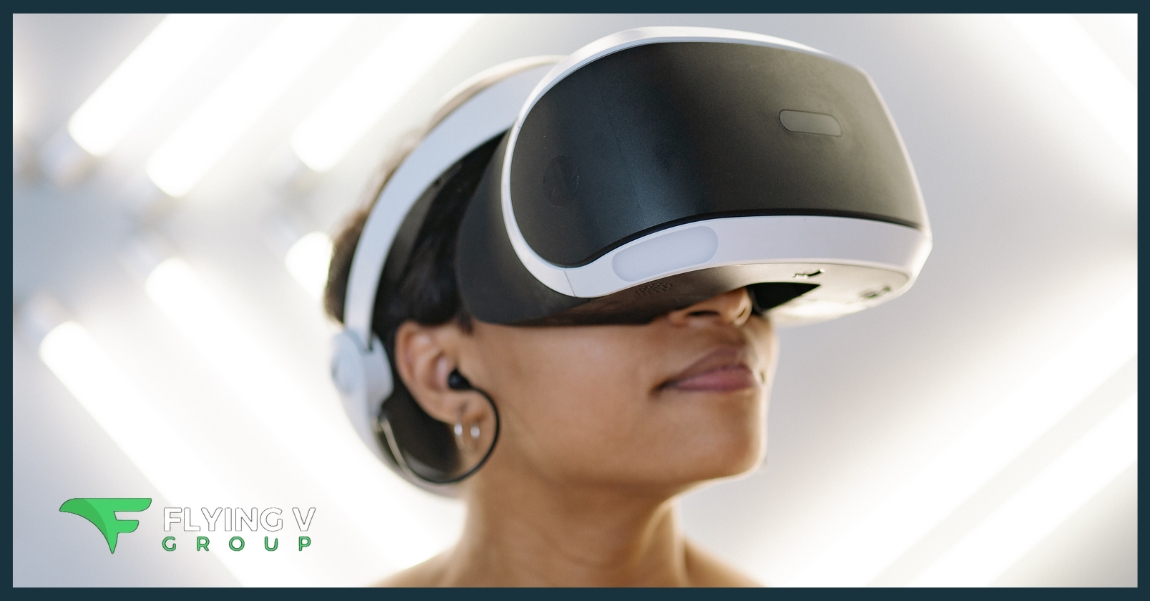
Virtual reality (VR) technology is set to revolutionize the advertising landscape by offering immersive experiences that engage consumers in unprecedented ways. With tools that allow developers to create hyperrealistic environments, VR advertising can capture attention and retain it much more effectively than traditional methods. This shift provides advertisers with a powerful medium to present their products and services dynamically and interactively.
One of the most significant impacts of VR technology in advertising is the ability to create in-experience immersion and engagement tracking. Brands can now place consumers within a virtual world where they interact with products before making purchasing decisions, enhancing the likelihood of conversions. This empowers consumers, offering them a “try-before-you-buy” experience that can build trust and drive sales.
Additionally, VR can transform passive audience members into active participants through gamification and personalized ads in virtual stores. This customization heightens the relevance and appeal of marketing messages, making them more compelling. As global interest in VR continues to grow, the advertising industry is poised to leverage this technology to create more engaging and effective campaigns.
The Transformation of Advertising with VR
Virtual reality (VR) is revolutionizing advertising by providing immersive storytelling, reshaping the use of VR headsets, and boosting consumer engagement through virtual experiences. This transformation cultivates a stronger emotional connection and brand loyalty among consumers.
Immersing Consumers in Brand Stories
VR technology allows advertisers to immerse their consumers directly into brand stories, creating a powerful sense of presence. Unlike traditional ads, VR enables you to experience the brand’s environment and narrative firsthand. Brands leverage immersive storytelling to engage emotionally with their audience, making the marketing message more memorable.
For example, automotive companies create virtual test drives to showcase their vehicles’ features. These immersive experiences ensure that the consumer forms an emotional connection with the brand, ultimately fostering brand loyalty.
VR Headsets and the Advertising Landscape
The proliferation of VR headsets is significantly altering the advertising landscape. As more consumers gain access to these devices, opportunities for VR advertising expand. You can experience highly interactive and personalized ads via a VR headset, making traditional static ads seem obsolete.
Brands are increasingly adopting VR ads to stand out in a crowded market. For instance, real estate companies use VR headsets to offer virtual property tours, allowing you to explore houses from anywhere in the world. This technology helps advertisers deliver rich, engaging content directly to the consumer, enhancing the overall marketing strategy.
Virtual Experiences and Consumer Engagement
VR offers tailored virtual experiences that significantly increase consumer engagement. Unlike passive media consumption, VR requires active participation, making the engagement more meaningful and prolonged. You can interact with the brand’s virtual environment, try out products, or partake in gamified experiences designed to entertain and inform.
Fashion brands, for example, use virtual fitting rooms where you can see how different outfits look on you without visiting a physical store. This not only enhances the shopping experience but also builds a deeper connection with the brand, influencing your purchasing decisions and fostering lasting brand loyalty.
Targeting and Personalization in VR Advertising
Effective targeting and personalization in VR advertising are transforming the way brands connect with their audiences. By utilizing data-driven strategies, AI insights, and tailored experiences, advertisers can create more engaging and relevant interactions.
Hyper-Personalized Experiences
One of the primary benefits of VR advertising is the ability to create hyper-personalized experiences. By analyzing user data, brands can tailor VR content to individual preferences, enhancing engagement and increasing conversion rates. Imagine a VR shopping experience where the products displayed are specifically chosen based on your previous purchases and browsing history. This customization makes the experience feel more relevant and enjoyable, leading to better customer satisfaction and loyalty.
Data-Driven Marketing Strategies
Data is essential in refining VR advertising strategies. Marketers can collect and analyze vast amounts of user data within VR environments, such as viewing patterns and interaction history. These insights enable the creation of more targeted ad campaigns that speak directly to the needs and interests of your audience. Leveraging this data to adjust content and delivery methods can significantly improve the effectiveness of your advertising efforts, ensuring that your messages reach the right people at the right time.
The Role of AI in Consumer Insights
AI plays a crucial role in extracting valuable consumer insights from the data collected in VR experiences. AI algorithms can process and analyze user behavior and preferences more accurately and efficiently than traditional methods. This allows brands to identify trends and predict future behaviors, enabling more precise targeting. For instance, AI can help determine which products a user is most likely to be interested in based on their interactions within the VR space, ensuring that the content remains relevant and engaging.
VR and Google Ads
Integrating VR with platforms like Google Ads can enhance targeting and personalization efforts. Google Ads’ robust targeting capabilities can be combined with the immersive nature of VR to create highly engaging ad experiences. By using VR, you can offer interactive and memorable advertisements that stand out in a crowded digital landscape. For example, a travel agency could use VR ads to provide virtual tours of destinations, making the experience more compelling and informative than traditional ads. This integration helps you reach your target audience effectively while providing them with a unique and captivating experience. Contact a Google ads agency now for VR integration on your ads.
VR Technology’s Impact on Different Industries
Virtual reality (VR) technology is reshaping various sectors by offering new tools and experiences. Its impacts are most noticeable in retail, gaming and entertainment, and tourism and education, each benefiting uniquely.
Retail Revolution with Virtual Storefronts
Virtual reality is revolutionizing retail by enabling virtual e-commerce storefronts. You can now experience hyperrealistic shopping environments from your home. These virtual stores allow you to interact with products in a detailed manner, significantly improving the online shopping experience.
Major retailers are integrating VR to create immersive shopping experiences, where you can try on clothes or visualize furniture in your living space before making a purchase. This innovative approach enhances consumer engagement and satisfaction, potentially leading to higher conversion rates.
The New Frontier in Gaming and Entertainment
In gaming, VR is creating unprecedented levels of immersion. Your ability to enter and interact within a game world brings a new dimension to gaming. VR headsets and controllers allow for natural movement and actions, making the gaming experience far more engaging and interactive.
Entertainment industries are also leveraging VR for unique experiences, such as virtual concerts and events. You can now attend live performances from anywhere in the world, offering a level of accessibility and engagement previously unattainable. These advancements are not only transforming gameplay but also how you consume and interact with various forms of entertainment.
Virtual Reality Tourism and Education
VR is offering groundbreaking changes in tourism and education. Virtual reality tourism allows you to explore distant places without leaving your home. Virtual tours of historical sites, museums, and natural wonders provide an immersive experience that can be both educational and enjoyable.
In education, VR is used for interactive learning and training. Students can engage with virtual classrooms and participate in simulations that enhance their learning experience. For professionals, VR provides realistic training environments, ensuring better preparedness for real-world scenarios. This approach is particularly beneficial in fields like medicine, engineering, and aviation, where hands-on experience is crucial.
Conclusion
Virtual reality technology presents a transformative opportunity in advertising. By creating immersive and interactive experiences, brands can engage consumers on a new level. This shift isn’t just about visual appeal; it’s about connecting with your audience in ways traditional methods can’t match.
You’re not just telling a story; you’re placing consumers inside that story. This will drive a deeper level of engagement and brand loyalty.
Features of VR Advertising:
- Immersive environments
- Interactive experiences
- Real-time feedback
By leveraging VR, you can also track engagement in real-time, allowing for immediate adjustments to your campaign. This provides valuable insights into consumer behavior and preferences.
With the technology rapidly advancing, expect to see more brands integrate VR into their marketing strategies. The adaptability and creative potential make it a versatile tool.
Consider starting small with VR features you can easily incorporate into your existing campaigns. This strategy will help you test the waters and adjust based on consumer response.
Incorporate VR to enhance your advertising efforts and stay ahead in a competitive market. The future of advertising lies in offering unique, engaging, and memorable experiences that VR can provide.




0 Comments