
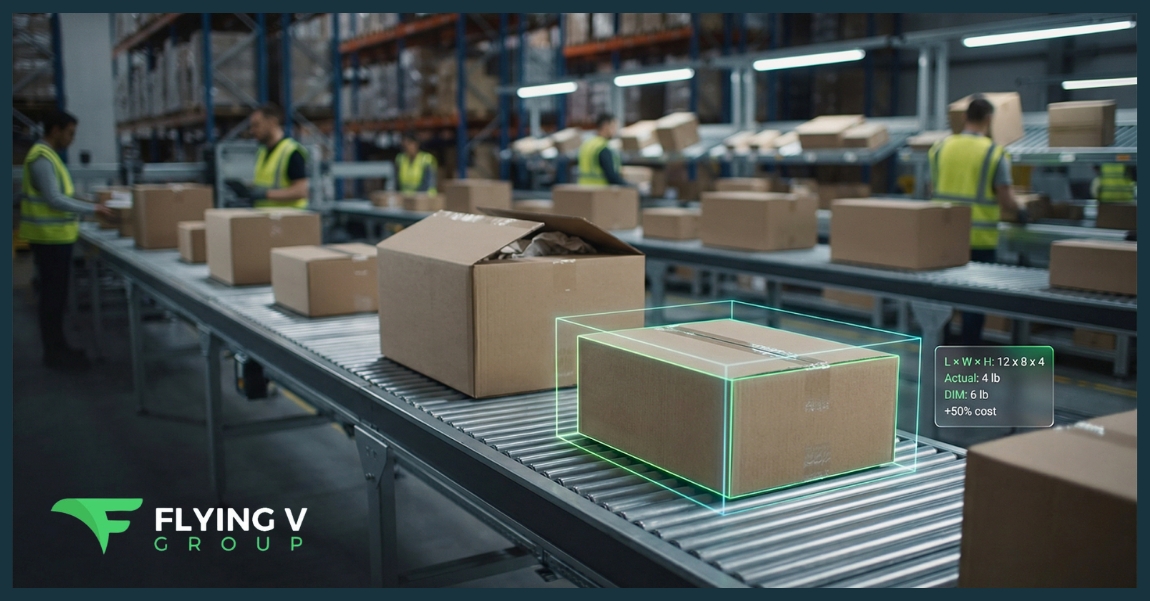
Dimensional-weight pricing makes every cubic inch—and every dollar—matter. FedEx, for instance, multiplies length × width × height, then divides by 139; if that “DIM” total exceeds the package’s actual pounds, you pay the higher DIM rate. Oversized cartons waste materials, slow your packers, and drive up damage claims.
In this guide, we break down five packaging-design platforms—Zenpack, Packsize, Sealed Air, Ranpak, and ShipBob—that are right-size boxes, cut touches, and shrink freight bills. You’ll get only published data plus clear “test-this-next” notes, so you can upgrade fulfillment with confidence.
Engineer packaging around fulfillment: Zenpack
Imagine a pack station where the correct carton appears, inserts snap in place, and the tape gun never pauses for extra filler. That’s the goal when packaging is built for operations first; aesthetics second, which is the approach taken by custom packaging engineering firms like Zenpack manufacturing. It keeps the focus there.
- Map the flow. Their engineers audit SKU mix, peak patterns, and even a packer’s reach radius before drawing any dielines.
- Collapse choices. By converting dozens of legacy boxes into a tight “go-to” set with custom inserts, T3 Micro cut assembly labor by 30 percent (T3 Micro case study).
- Ship less air. Right-sized cartons trim DIM weight, while bulk runs of fewer sizes lower board spend.
- Protect in transit. A customer that shipped three China-to-US containers per month now saves about $5,000 in ocean freight after Zenpack reworked box sizes and pallet fits, according to Zenpack.
Deployment works like a sprint: digital prototypes, small test lots, then floor-by-floor rollout with no year-long freeze on inventory.
Before you add Zenpack to a short list, walk the plant and ask:
- How many current SKUs drop into the proposed box set?
- Which inserts remove at least one wrap or tape step?
- Can pilot data forecast DIM and damage savings by channel?
If each answer comes with hard numbers, you’ve found a partner who turns packaging from cost center into throughput engine.
Right-size cartons on demand: Packsize
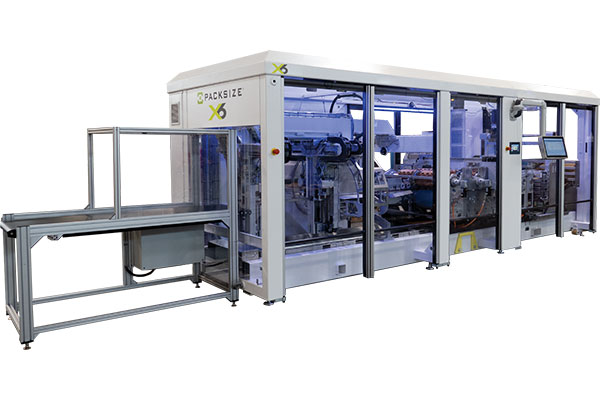
Each extra inch of corrugate costs twice: once on board and again in DIM fees. Packsize’s On Demand Packaging machines cut that waste at the pick line itself; they scan item dimensions and create a custom carton before you pull the tape.
According to Packsize, the X4 system trims average box volume by up to 40 percent and can cut, crease, glue, and label a ready-to-ship carton every 12 seconds. During peak season, the fully automated X6 line produces 1,500 right-sized boxes per hour, or one every 2.4 seconds. Packsize customers report 60 percent less void fill and 26 percent less corrugate after installation.
When software decides size, packers stop “shopping” for a box, travel steps disappear, and stations stay clear. Smaller cartons reduce DIM weight, so you stop paying to ship air; tighter cubes also fit 40–60 percent more parcels per trailer, easing outbound freight.
Before you book a demo, pressure-test three areas:
- Integration. Can their cartonization API pull SKU dimensions from your WMS in real time?
- Material flow. Where will fanfold corrugate feed the cutter without blocking aisles?
- Change management. Who rewrites SOPs so seasoned packers trust the machine’s choice?
Solve those, and Packsize turns packaging from static supply into a flexible manufacturing cell that scales with order mix and seasonality.
Cushion fast, ship safe: Sealed Air
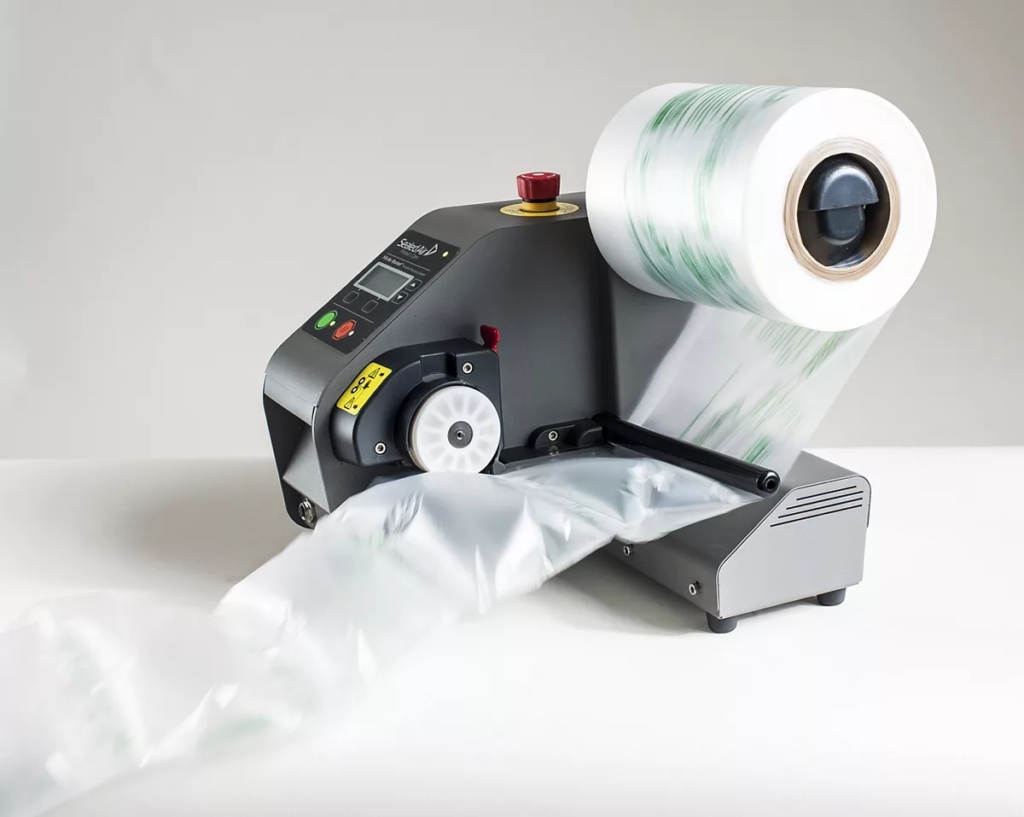
Packing slows when staff drag bulky bubble rolls across the floor. Sealed Air’s BUBBLE WRAP brand Fill-Air Rocket inflator fixes that with on-demand air pillows. According to Sealed Air, the countertop unit produces 100 feet of pillows per minute and resets instantly, eliminating restock walks and chute jams.
Vendor data shows the Rocket can raise fulfillment speed by up to 60 percent for operations shipping 250–500 parcels a day. The gain comes from two advantages:
- Zero time spent fetching filler, and
- Fewer oversized boxes packed “just in case.”
Protection improves, too. Pillows mold to odd shapes and rebound from impacts that crush paper, reducing damage claims and letting your CX team focus on retention.
Space is another win. Because film inflates only when needed, you free racks for sellable inventory instead of pre-inflated wrap.
Quick gut-check before you sign:
- Utilities. Is there power and compressed air at each station?
- Film SKUs. Can you standardize on one or two widths to keep purchasing simple?
- Success metric. Will you track damage rate, throughput, or filler cost so finance can validate the pilot?
Dial those in, and Sealed Air turns protective packaging from a stop-gap expense into a quiet throughput boost for every fragile order leaving your dock.
Trim void and carbon together: Ranpak
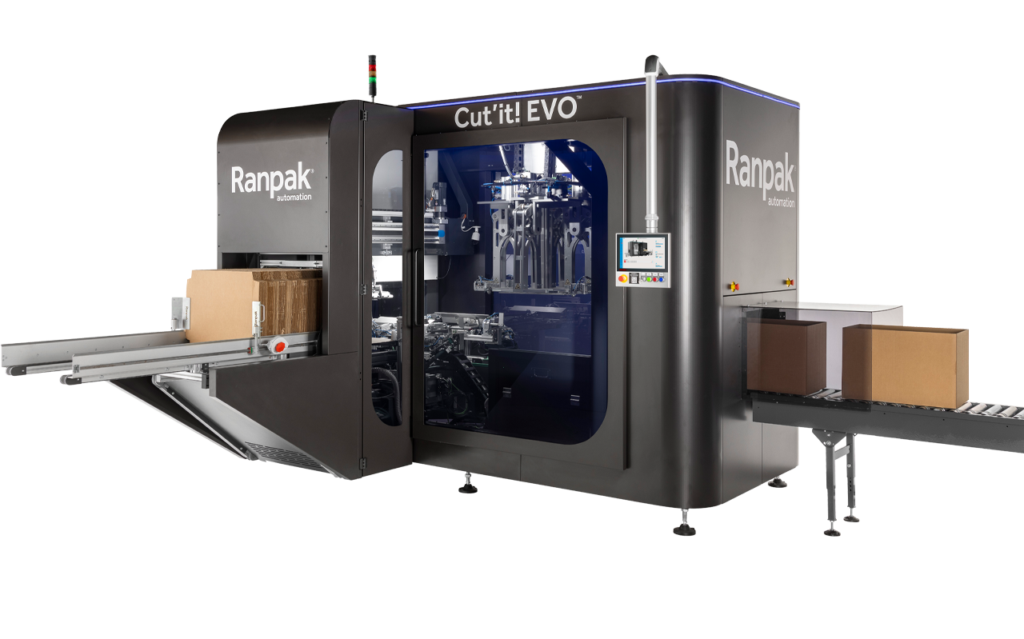
If plastic pillows conflict with your sustainability goals, Ranpak’s paper-first systems keep speed high without polymer guilt. Converters feed fanfold Kraft, crinkle it into pads, or, in the newer Cut’it! EVO line, scan a packed box, trim excess height, and seal the lid.
The impact is measurable:
- 25 percent average reduction in shipped volume when Cut’it! EVO auto-shortens cartons.
- Up to 35 percent less paper when DecisionTower vision tools dispense only what void space needs.
- Smaller cubes fit more parcels per pallet and cut DIM weight, lowering freight cost and carbon in one move.
Automation tackles three shop-floor headaches at once. Packers stay put, a foot pedal feeds exact paper length, and box flaps fold lower instead of adding filler, so DIM surcharges shrink. Every pad is curbside recyclable and backed by FSC-certified supply.
Before you short-list Ranpak, pressure-test three variables:
- SKU fragility versus paper density; glass may need multilayer pads.
- Throughput of height cutters versus your peak cartons per hour.
- Carbon math; model the greenhouse savings so finance can log the ROI.
When those cartons roll off the line with less air and a lighter conscience, paper shifts from a “nice to have” to a true efficiency lever.
Lock in consistency across nodes: ShipBob
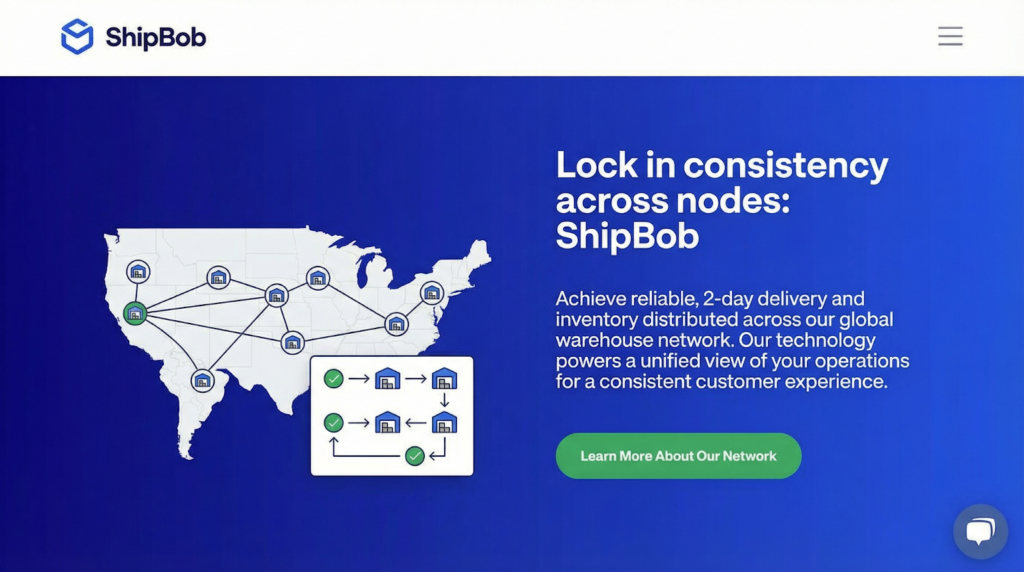
Right-sizing fails without discipline; one warehouse’s “small” can become another’s “medium.” ShipBob embeds packaging rules in its fulfillment OS so every SKU leaves in the same carton, whether it ships from Reno or Allentown.
- SKU-level box mapping. When inventory arrives, ShipBob’s Cubiscan process records exact dimensions, then ties each SKU to a standard carton ID and inserts. Packers follow scanner prompts instead of gut feel.
- Daily audits. Floor supervisors flag out-of-spec packs before invoices close. ShipBob reports that accounts adopting its box algorithm cut parcel-weight variance by about 12 percent within 60 days.
- Central engineering. New box specs are tested at multiple sites, then released through one SOP, avoiding the hidden cost of partial redesigns.
Before you flip the switch, run a quick pilot:
- Feed ShipBob six months of DIM data so they can benchmark “before” costs.
- Approve the starter box set they propose; simpler usually wins.
- Pull weekly variance reports to confirm packers follow the plan.
When the data shows steadier carton weights and cleaner invoices, you’ll know the process, not luck, is keeping costs in line.
Conclusion
Dimensional pricing turned packaging from a back-room decision into a frontline cost driver, directly tying into broader delivery efficiency and customer satisfaction strategies. As the examples above show, the fastest gains don’t come from squeezing pennies out of materials—they come from engineering packaging around how orders actually flow through your operation.
Zenpack proves that fewer, smarter box-and-insert systems reduce labor and freight simultaneously. Packsize shows how automation eliminates box choice entirely. Sealed Air and Ranpak demonstrate that void fill, when produced on demand and matched to product risk, can raise throughput while lowering damage. ShipBob closes the loop by enforcing consistency so savings persist across locations and seasons.
The common thread is discipline backed by data. Each platform replaces guesswork with measured decisions—DIM weight forecasts, labor studies, damage rates, and carton utilization. When packaging decisions are tested, piloted, and locked into SOPs, fulfillment stops paying for air, rework, and variance.
Frequently Asked Questions(FAQ’s)
What is dimensional-weight (DIM) pricing, and why does it matter so much?
DIM pricing charges based on package volume rather than actual weight. Carriers calculate it by multiplying length × width × height and dividing by a set divisor (139 for FedEx and UPS at the time of writing). If the DIM weight exceeds the scale weight, you pay the higher number—making oversized cartons an immediate cost penalty.
Is right-sizing packaging worth it for low-volume shippers?
Yes, but the approach changes. Low-volume operations often benefit most from standardized box sets and better void-fill discipline rather than full automation. Even small reductions in DIM weight can materially affect margins when shipping direct-to-consumer.
How do I decide between custom boxes and on-demand box-making systems?
Custom boxes make sense when SKU dimensions are stable and volume is predictable. On-demand systems shine when SKU mix is wide or seasonal. The decision usually comes down to order variability, peak throughput requirements, and floor space.
How do sustainability goals fit with cost reduction?
Smaller cartons reduce both freight emissions and material usage.Paper-based void fill offers recyclability advantages and supports sustainable packaging, while right-sized air systems reduce overall plastic consumption by eliminating excess filler. The most sustainable package is usually the smallest one that ships safely.




0 Comments